
Get Healthy!
- Posted March 16, 2026
Officials Examine Deaths After Plasma Donations in Winnipeg
Canadian health officials are investigating the deaths of two people who donated plasma at private clinics in Winnipeg, Manitoba.
The deaths happened about three months apart, one in October 2025 and the other in January 2026, according to Health Canada, the federal agency that regulates plasma donation clinics.
One of the donors who died was a 22-year-old international student. No information about the second person was available.
Both donations took place at clinics managed by Grifols, a Spanish health care company that runs 17 plasma donation centers across Canada, including two in Winnipeg, capital of the province of Manitoba.
Health Canada said clinics are required to report serious medical events. After learning about the deaths, the agency sent staff to inspect the locations.
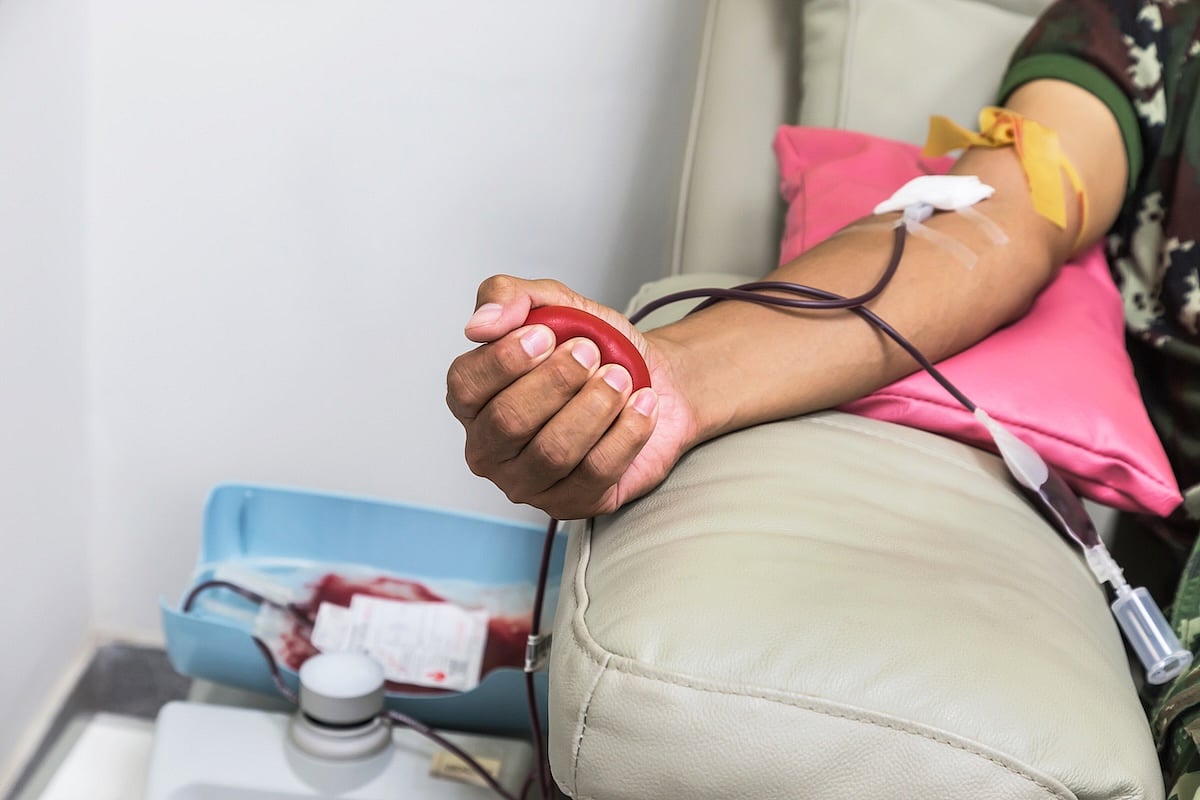
Plasma donation is similar to giving blood. During the procedure, blood is taken from the donor and sent through a machine that separates plasma, a pale yellow liquid, from red blood cells. The red blood cells are then returned to the donor’s body.
Plasma contains antibodies that help the immune system fight infections. Plasma-based medicines are used to treat many serious conditions, including bleeding disorders, immune diseases and liver disease.
Because these treatments are in high demand, plasma collection has surged in many countries.
In the United States, tens of millions of paid plasma donations are made each year. Canada does not publish comparable numbers, but more clinics have opened since 2022, when Grifols reached an agreement with Canadian Blood Services to help increase plasma collection.
The company advertises that regular donors can earn about 6,000 Canadian dollars per year (roughly $4,400).
Two donors who spoke with The New York Times said they were paid about 40 Canadian dollars for their first donation and 75 dollars for a second donation during the same week.
Grifols said it reported both incidents within 72 hours, as required by regulations, and has started its own investigation.
“We have no reason to believe that there is a correlation between the donors’ passing and plasma donation,” the company said in a statement.
The company also said donors must pass an extensive health evaluation before donating, including a medical history review and physical exam.
Stephanie Holfeld, executive director of the Office of the Chief Medical Examiner in Manitoba, said the donor who died in October became unresponsive during the donation process.
That person died shortly afterward.
Holfeld said the death has not yet been officially linked to the plasma donation, and investigators are still reviewing the case.
Medical experts generally consider plasma donation to be pretty safe, though donors can experience side effects such as fatigue, dizziness, dehydration, bruising or fainting.
Deaths tied to plasma donation are rare.
Still, some patient safety advocates say the public should be informed when serious events occur.
“The public has a right to be made aware of the risks involved with going to these centers,” said Curtis Brandell, president of the British Columbia chapter of the Canadian Hemophilia Society. “Transparency is key not only for safety but for public trust.”
More information
The Red Cross Blood Donation has more on plasma.
SOURCE: The New York Times, March 11, 2026
